Blog

October 22, 2026

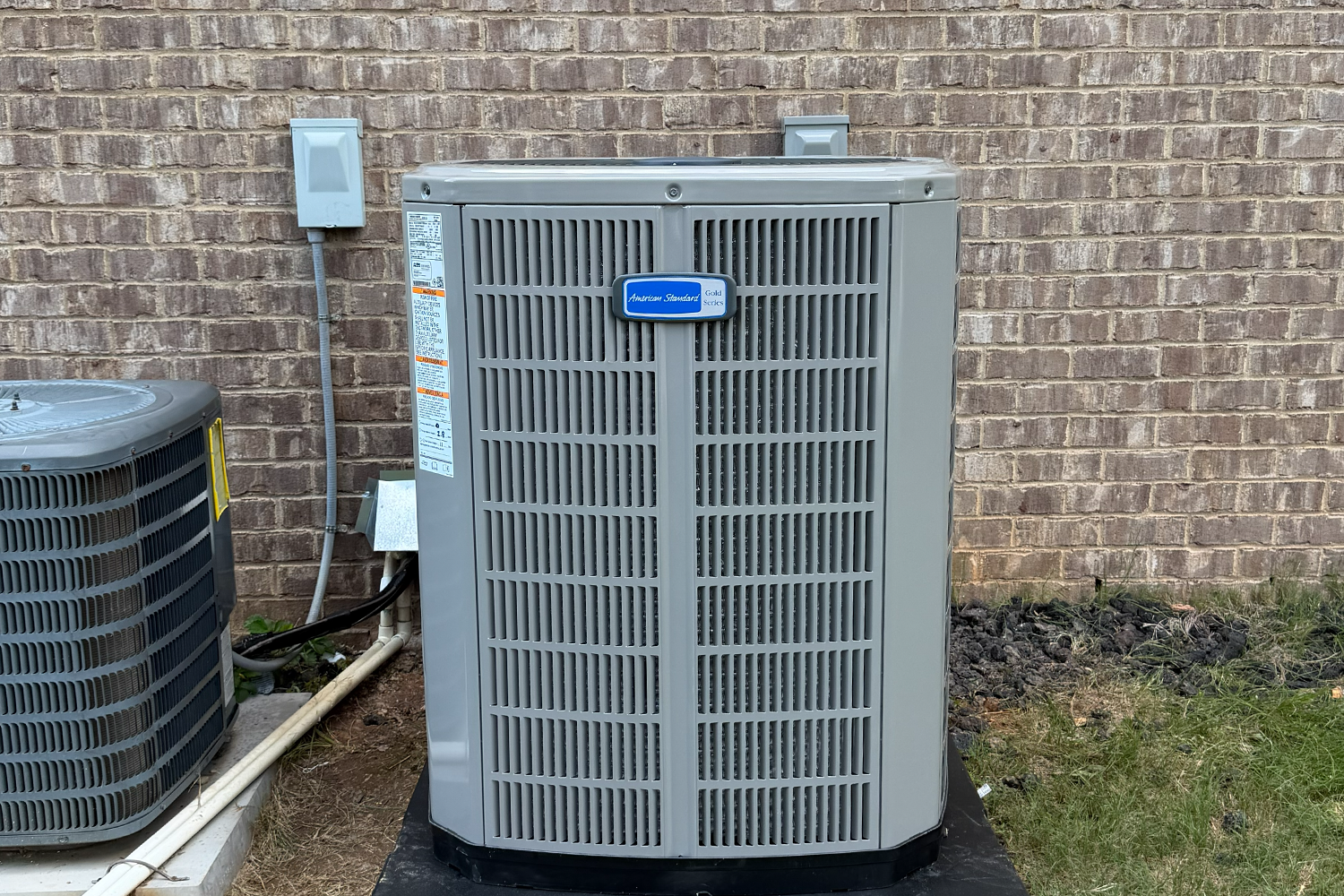
When Metro Atlanta’s summer hits its stride, outdoor temperatures routinely climb into the 90s paired with thick, suffocating humidity. During peak heat waves in Alpharetta, Roswell, Johns Creek, and Cumming, your air conditioning system works virtually non-stop to keep your indoor space livable.
An air conditioner rarely fails out of nowhere. Long before a system completely breaks down on a 95°F afternoon, it usually leaves subtle red flags.
Recognizing these 5 early warning signs gives you time to schedule a routine repair before a minor issue turns into a costly mid-summer emergency.
If your summer routine hasn't changed, but your monthly power bill suddenly jumps by 20% or 30%, your AC system is likely losing efficiency.
When internal components like the compressor, fan blower, or coils deteriorate or gather heavy dirt, the unit must run longer and draw significantly more electricity to achieve your thermostat setting. A sudden surge in cooling costs is often the first financial symptom of an underlying mechanical issue.
When you stand under a supply vent, does the airflow feel more like a light breeze than a steady stream? Weak airflow is a common complaint across North Atlanta homes, particularly in two-story floor plans or bonus rooms above garages.
Reduced airflow usually points to one of three issues:
A healthy HVAC system completes long, steady cooling cycles that lower both the room temperature and humidity level. If you notice your outdoor compressor turning on, running for 3 to 5 minutes, shutting off, and then kicking back on a few minutes later, your system is short-cycling.
Short-cycling causes severe wear and tear on your compressor while driving up energy consumption. It can be triggered by an oversized system, electrical control errors, or a frozen evaporator coil.
Modern cooling units operate with a predictable background hum. Unfamiliar sounds from your indoor or outdoor unit indicate mechanical stress:
If your system runs continuously but the air coming from your vents feels lukewarm, or if your home feels sticky despite the AC running, your system has lost its ability to extract heat and moisture.
In North Georgia’s climate, humidity control is just as important as temperature control. Lukewarm air or sticky indoor conditions often point to low refrigerant levels (indicating a system leak) or a failing compressor valve.
Addressing warning signs early protects your home’s indoor air quality, lowers monthly utility expenses, and prevents full system failures during peak summer heat. If you notice any of these signs in your home, consult a local licensed HVAC technician to run a full diagnostic test before severe weather arrives.