Blog

October 22, 2026

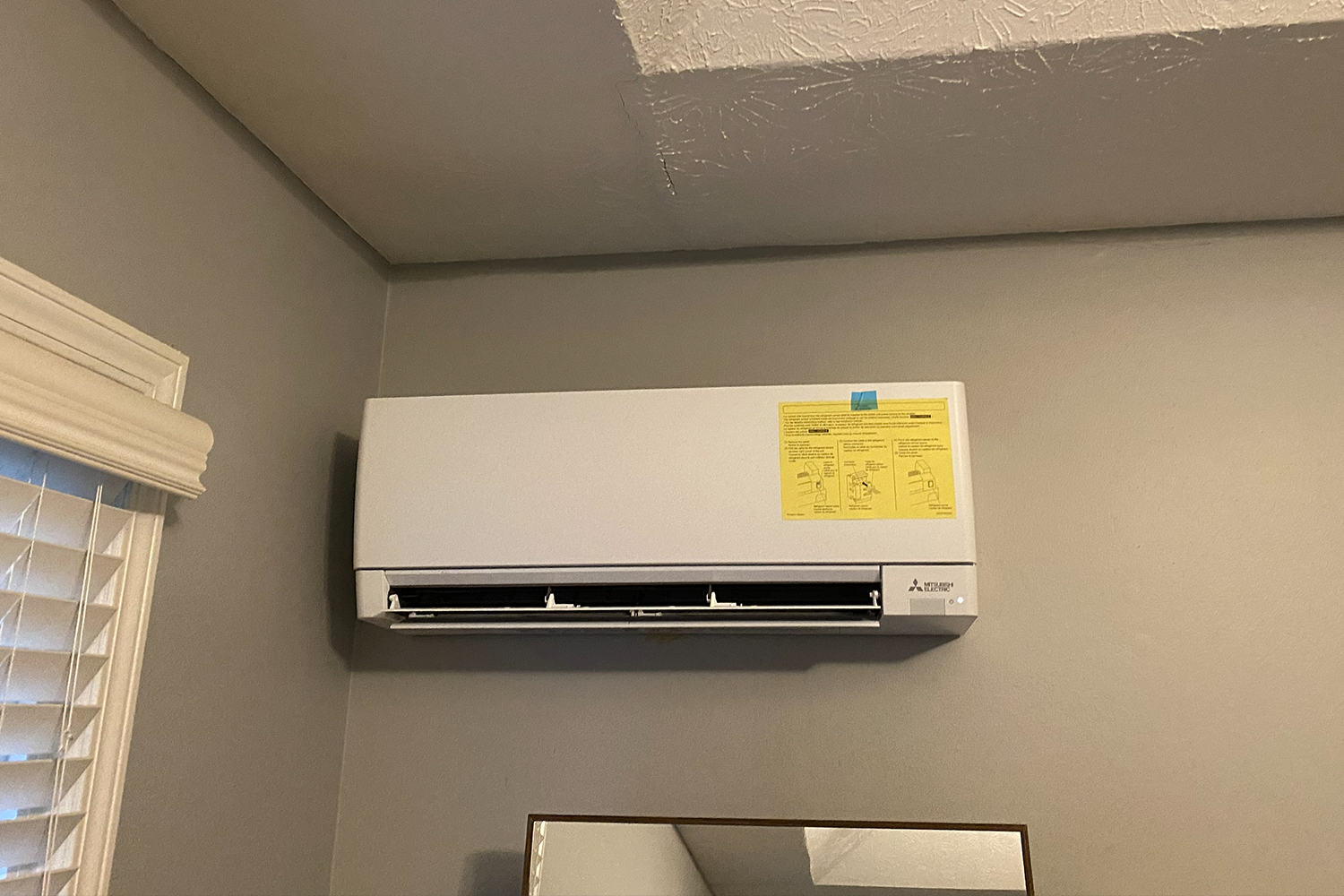
When it comes to keeping your home comfortable during Metro Atlanta’s long, muggy summers and unpredictable winters, choosing the right cooling and heating system is critical. For decades, traditional central HVAC systems have been the standard across North Atlanta neighborhoods. However, ductless mini-split systems have rapidly grown in popularity—especially in areas like Alpharetta, Roswell, Johns Creek, and Historic Norcross.
If you’re evaluating a system replacement or looking to cool a problematic area in your home, understanding how ductless mini-splits compare to standard central air conditioning can help you make the smartest investment.
The primary difference between the two systems comes down to airflow delivery:
According to the U.S. Department of Energy, duct losses can account for more than 30% of energy consumption in a typical central air system—especially when ductwork runs through blistering North Georgia attics in July.
Ductless mini-splits eliminate duct loss entirely. Combined with inverter-driven compressors that continuously scale power up or down based on real-time demand, mini-splits consume significantly less electricity, leading to lower monthly utility bills.
Do you have a room in your house that is always too hot in the summer or too cold in the winter? Standard central air conditions the whole house based on a single thermostat location.
Mini-splits excel at zoned comfort. Each indoor unit operates on its own independent thermostat. You can keep your primary bedroom at 68°F for sleeping while leaving unused guest rooms or home offices at a higher energy-saving temperature.
Certain homes across North Atlanta are uniquely suited for mini-splits:
Consulting with a trusted North Atlanta HVAC professional allows you to perform a proper load calculation to determine the exact size, layout, and system configuration your home needs.