Blog

October 22, 2026

For many homeowners in North Atlanta—especially across sprawling neighborhoods in Alpharetta, Roswell, Johns Creek, and Milton—finished basements and bonus rooms above garages represent valuable extra square footage. Whether you’re converting an unfinished basement into a home theater or turning a warm bonus room into a dedicated home office, controlling the temperature in these spaces can be a major challenge.
When extending comfort into these areas, homeowners typically face a choice: tap into the existing central HVAC system or install an independent ductless mini-split system.
Here is why ductless mini-splits are rapidly becoming the preferred option for North Georgia basements and bonus rooms.
The most common shortcut during a room addition or basement remodel is asking a contractor to cut a few extra supply vents into the existing central heating and cooling ductwork.
While this seems budget-friendly initially, it often leads to systemic comfort and efficiency problems:
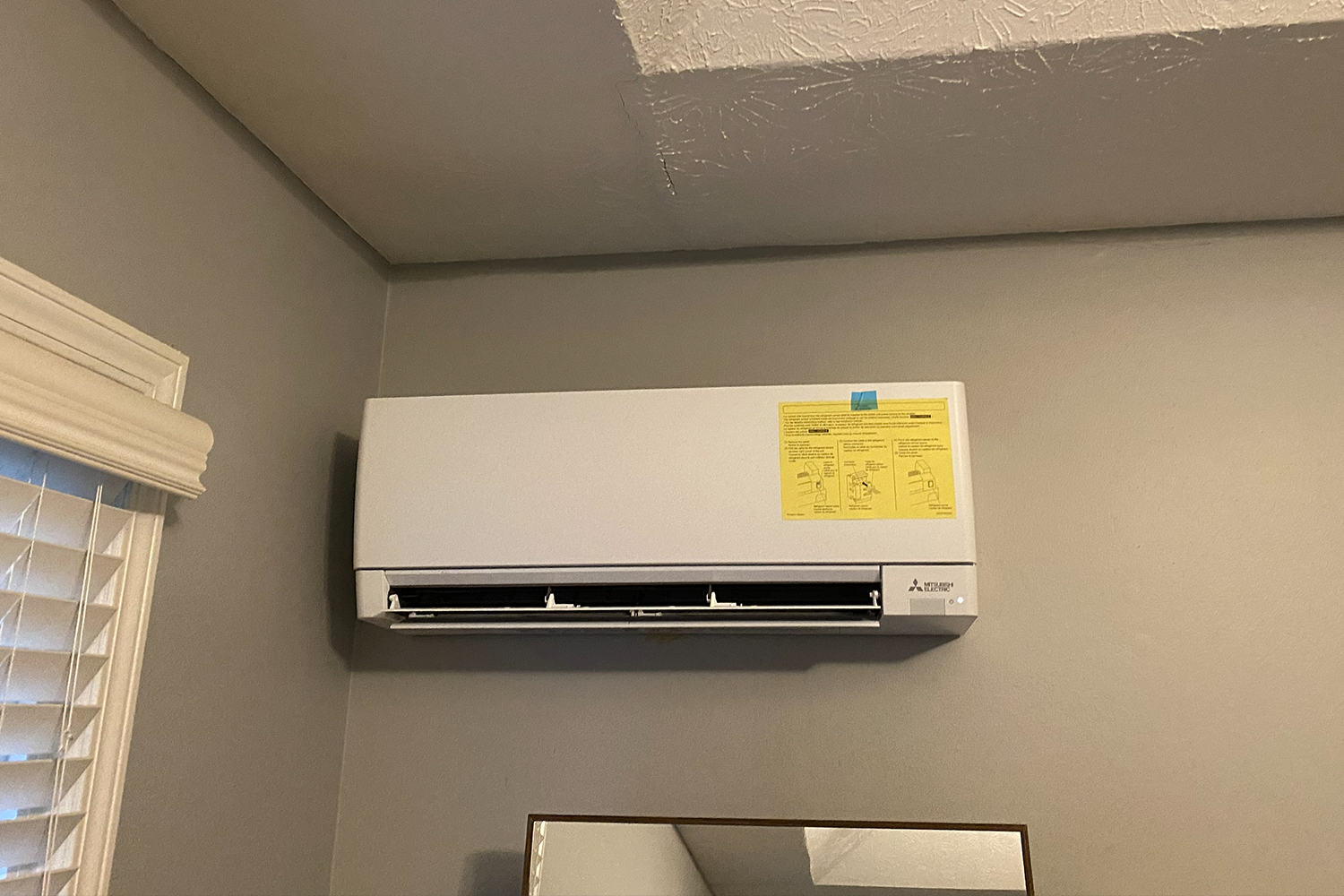
Ductless mini-splits resolve these architectural challenges by providing localized, independent temperature and humidity control right where it’s needed.
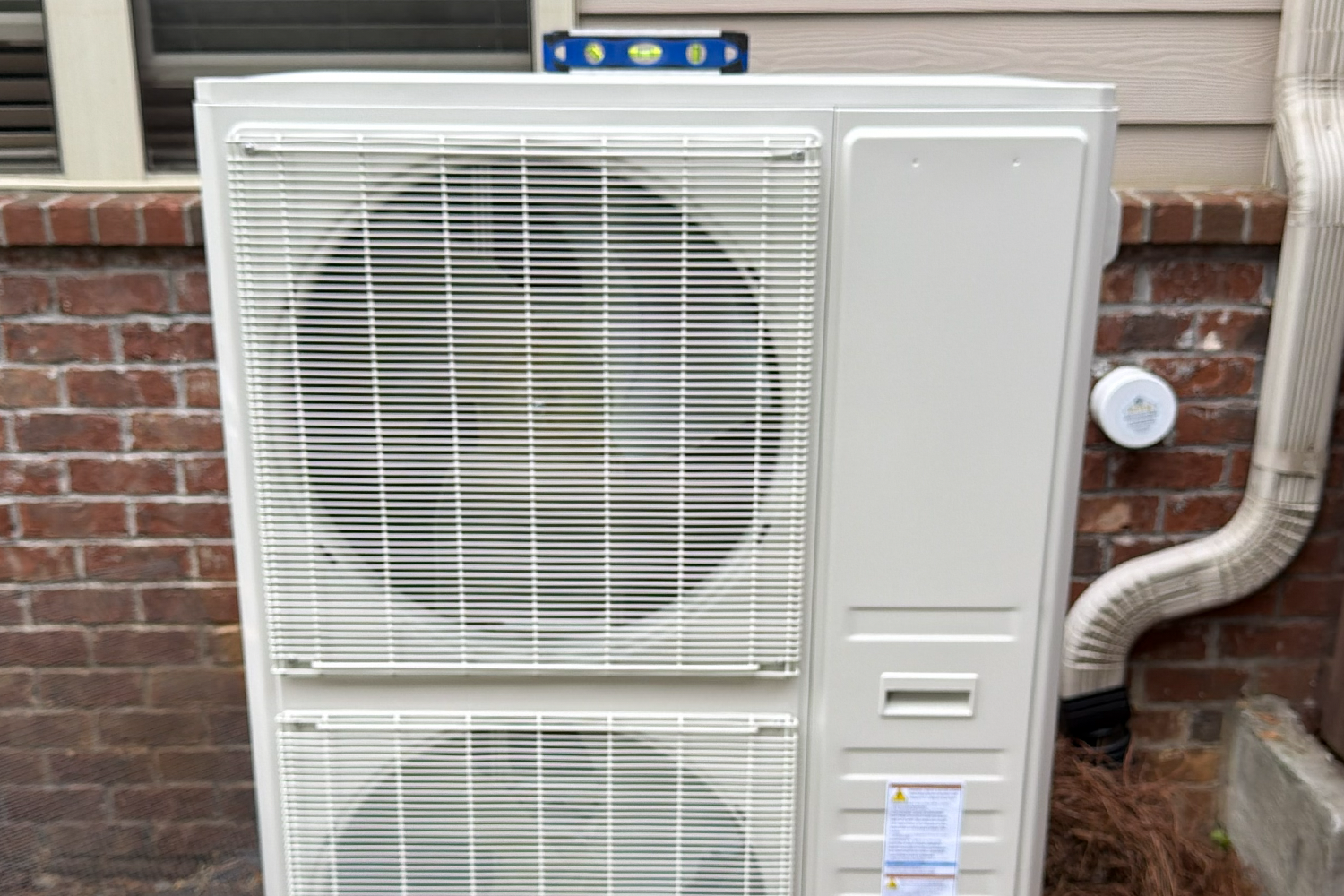
Because mini-splits connect directly from an outdoor compressor to an indoor air handler via small refrigerant lines, they bypass ductwork completely. In unconditioned attic spaces above bonus rooms or exposed floor joists in basements, traditional ducts lose substantial energy through conduction and air leaks. Mini-splits deliver nearly 100% of their conditioned air directly into the room.
North Georgia’s red clay and high water tables make basement humidity an ongoing struggle. Unchecked moisture leads to musty odors, rust on tools, and mold growth on drywall. Mini-splits feature specialized dry-mode settings that extract excess moisture from the air continuously, helping keep basement spaces crisp and dry without over-cooling them.
Attic bonus rooms suffer from intense radiant heat transfer through the roof line during July and August. Modern mini-splits feature variable-speed inverter compressors that scale up dynamically during the hottest parts of the afternoon to keep upper-level rooms consistently cool, then dial back down during cooler evenings to save electricity.
If you are finishing a basement or struggling to use a hot bonus room, a ductless mini-split is almost always worth the investment.
While the upfront cost is higher than installing a simple window unit or extending existing ducts, a mini-split delivers:
Consulting a licensed local HVAC professional for an accurate heating and cooling load calculation will ensure your mini-split is sized correctly for your space's specific insulation, sun exposure, and usage needs.